Sports Injury Rehab in Abilene
You are sidelined from the sport or activity you love. If getting back to competing or training feels impossible, one evaluation puts you on a clear path to return stronger than before.
What causes sports injuries?
Sports injuries come in many forms, but most fall into a few categories: traumatic events that happen in the moment, overuse injuries that build up over time, and movement errors that put bodies in vulnerable positions. Understanding your injury type and what led to it is critical to recovering fully and preventing re-injury. Without that understanding, you often end up back on the sidelines. We have been the clinic behind Abilene and Chapman athletes since 2005, which means we have watched a lot of seasons and know the difference between an athlete who is ready and an athlete who is just out of pain.
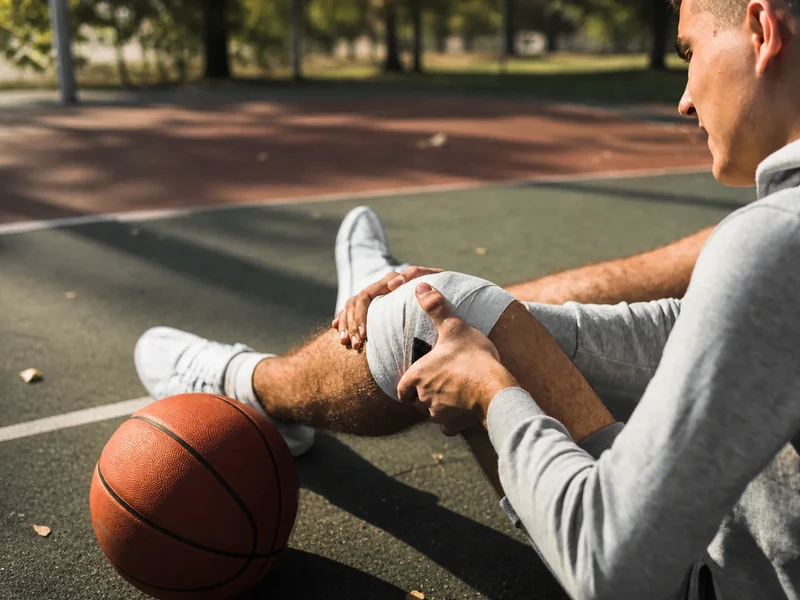
A sprain is a stretched or torn ligament. A strain is a stretched or torn muscle. Both happen from a sudden force or twist during play. Early treatment with correct movement helps them heal stronger than if they were simply rested. Incomplete healing of old sprains and strains is why re-injury happens so often in athletics.
Tissues adapt to stress, but they need time to recover. When training volume, intensity, or frequency jumps too fast without adequate rest, tissues break down instead of adapting. Tendonitis, muscle fatigue, and stress reactions all come from this imbalance. The fix is not just rest. It is training smart and building capacity gradually.
Athletes often have movement patterns or muscle imbalances that put them at risk for injury. A runner with weak glutes is prone to knee injuries. A pitcher with poor scapular control often gets shoulder problems. Identifying and fixing these mechanics prevents the high-risk movements that lead to injury.
The urge to get back is strong, but returning to sport before adequate strength, stability, and movement control are restored leads to re-injury. A proper return-to-sport progression builds confidence and resilience so when you do come back, you come back strong.
Every sport has its own demands and high-risk movements. Throwing in baseball puts enormous load on the shoulder and elbow. Cutting and pivoting in soccer loads the knee. Racquet sports create asymmetrical strength. Understanding your sport's injury patterns helps you avoid them and train to prevent them.
Athletes who lack the strength, power, or endurance their sport demands are at constant risk of injury. A fast-twitch sport requires power. A sport requiring quick cuts needs lateral stability. Building sport-specific strength prevents injury and improves performance.
How physical therapy in Abilene helps.
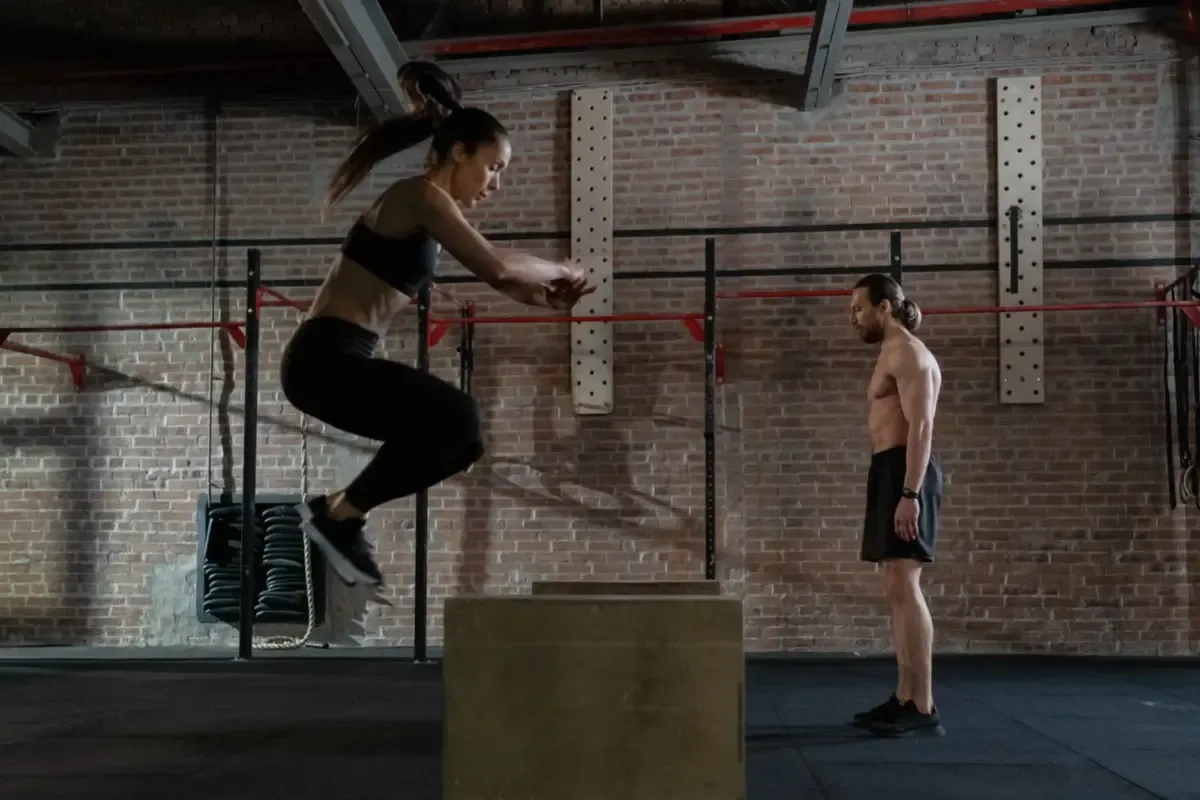
Sports physical therapy is not one-size-fits-all. We assess your injury, your sport, and your baseline movement and strength. We use hands-on techniques and targeted exercises to restore mobility and reduce pain. We rebuild strength and power specific to your sport. We identify movement errors or imbalances that led to the injury and fix them. We build a gradual return-to-sport plan that gets you back to training and competing without re-injury. The goal is not just recovery. It is coming back stronger, faster, and more resilient than you were before the injury.
Athletes get the whole toolbox here. Blood flow restriction training builds strength on a limb that cannot yet take heavy load, Dr. Adam Burns is dry needling certified and holds NESTA speed, agility and quickness certification, and Adam, Tonya Mills and Angie Hoerner are ASTYM certified for tendon and scar tissue that has stalled. Every session is one on one with your therapist, start to finish. You are not handed to an aide and you are not sharing a therapist across a gym floor, which matters most in the return-to-sport phase when someone has to be watching how the knee actually behaves on a cut.
Do not wait on a referral to get looked at. Kansas direct access lets most athletes be evaluated without one, and where a plan still requires one we verify it before the first visit instead of after. We accept and file most plans, including Medicare, RR Medicare, Blue Cross and Blue Shield, Aetna Better Health KanCare, most network plans, Worker’s Compensation and auto insurance. In season, the days you spend waiting on paperwork are days you do not get back.
What to expect from your recovery.
Injury assessment
We evaluate the injury, your movement patterns, your sport, and your baseline strength and power. We determine what caused the injury and what needs to be fixed to prevent re-injury. Those numbers go on the chart on day one, and we re-measure them rather than guessing at a return date before we have seen how you respond.
Healing and restoration
We reduce pain and inflammation with hands-on work and targeted movement. We restore mobility and begin rebuilding strength. We progressively challenge the injured tissue so it heals stronger.
Sport-specific training and return
We build strength, power, and agility specific to your sport. We address the movement errors or imbalances that contributed to the injury. We progress you back to training and competition through a structured plan built on tested criteria, not a calendar. You get released when the measurements say you are ready, and we tell you honestly when they do not.
Everyone was very professional with great personalities and we’re all very knowledgeable. Great experience!
Pain rarely travels alone.
Pre & Post Surgery
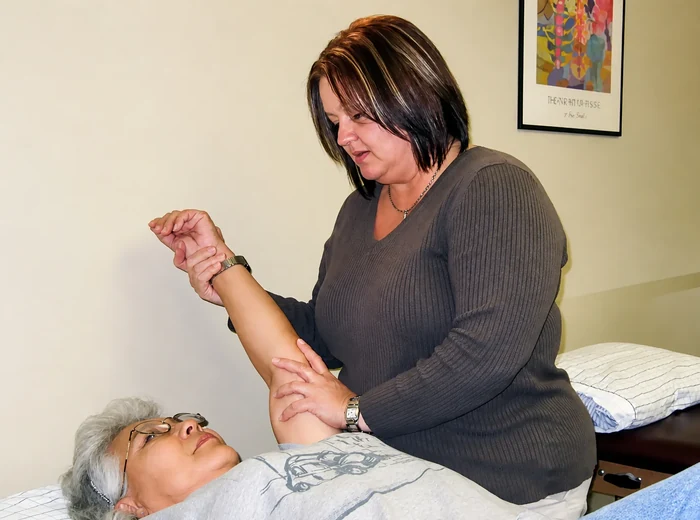
When an injury like an ACL tear needs surgery, what you do before and after it decides the result. We handle both ends.
Hip & Knee Pain
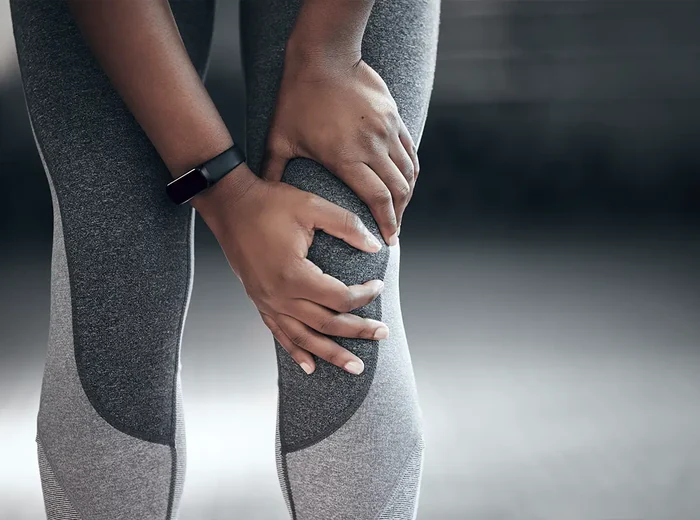
The hips and knees take the most stress in sports. Strength and stability prevent injury.
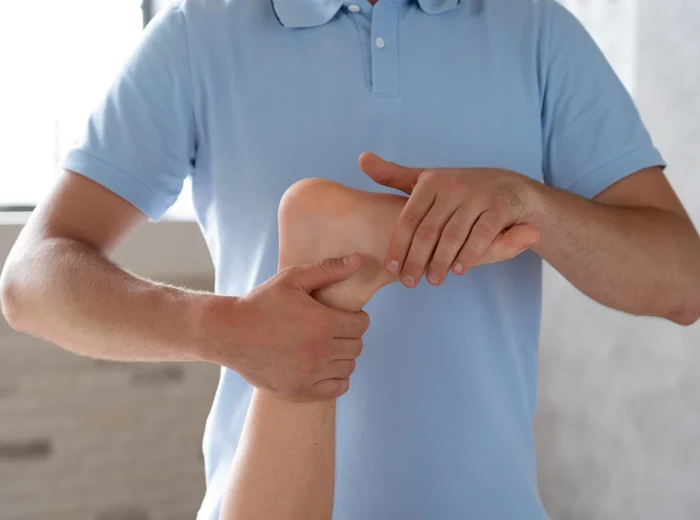
Foot & Ankle Pain
Ankle sprains are the most common sports injury. Full rehabilitation prevents re-injury.