Blood Flow Restriction in Abilene
Your surgeon says no heavy weight yet, and you can watch the muscle disappearing while you wait.
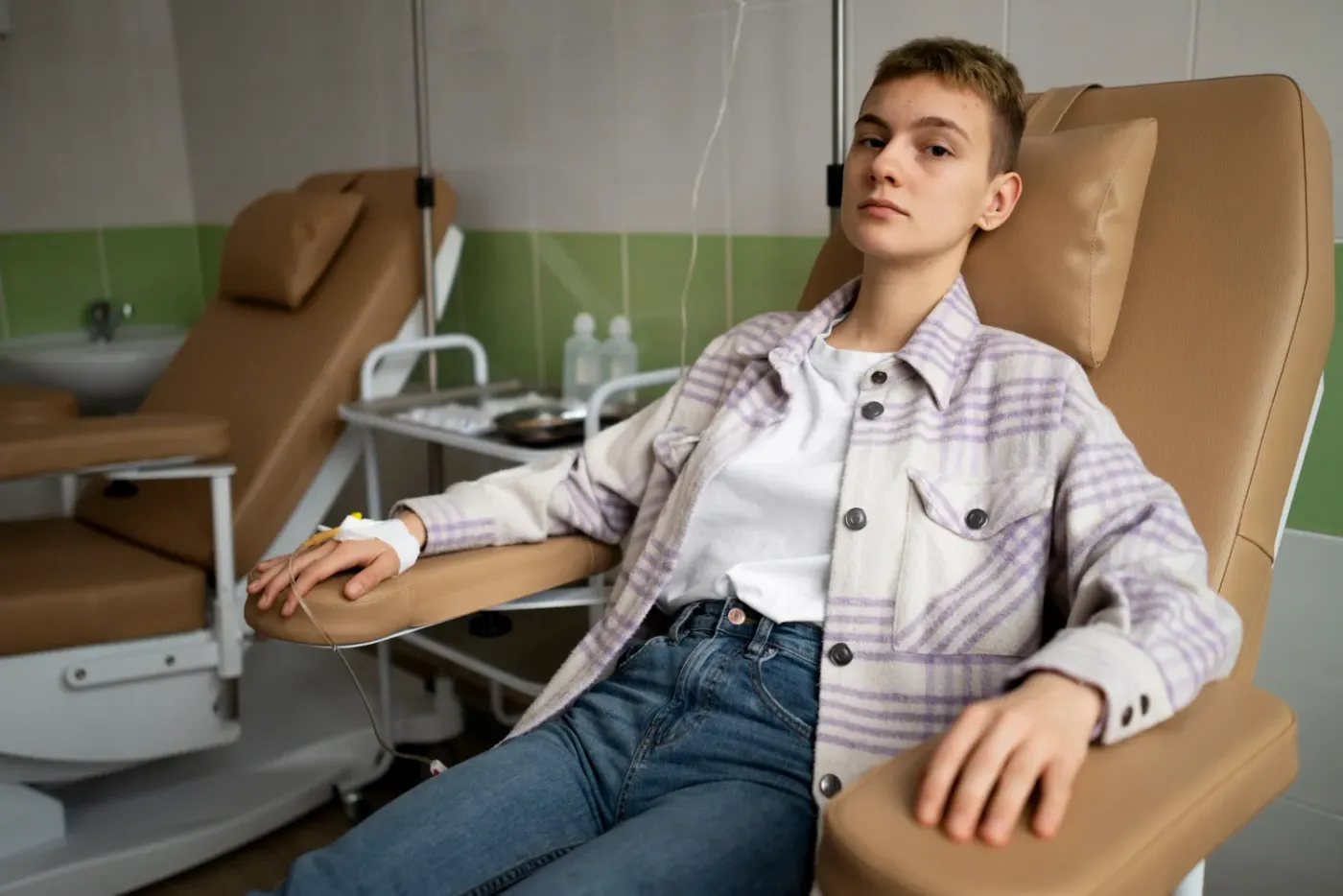
What is blood flow restriction?
Muscle grows when it is worked close to fatigue. Normally that takes heavy load, which is exactly what a healing knee, a repaired shoulder or a fresh fracture cannot be given. Blood flow restriction training gets around that problem. A calibrated cuff is placed high on the arm or the thigh and inflated to a measured pressure. Arterial blood still gets in. Venous return out of the limb is limited. The working muscle runs low on oxygen and fills with the by-products of effort very quickly, so a light load starts to read to your nervous system like a heavy one. You train with a small fraction of the weight you would normally need and get strength and muscle growth that usually demands far more. When your joint is not cleared for load yet, that is the difference between holding on to the limb you have and rebuilding it from nothing later.
The cuff is not a tourniquet, and it is not something to improvise at home with a wrap you found online. The pressure is set by a trained clinician against your own limb, not by a fixed dial, and it is monitored while you work. Too little pressure does nothing. Too much is unsafe. That is the entire reason this belongs in a clinic. It is also not a replacement for the rest of your rehab. It is the tool that keeps you building strength through the window when the joint cannot be loaded, so the day you are cleared you are not starting from zero.
Who it's for.
Blood flow restriction is for the stretch of recovery where the muscle is wasting faster than the joint is healing. If load is the problem and time is not on your side, this is how you keep training anyway.
The early weeks after surgery
After a knee reconstruction, a rotator cuff repair or a joint replacement, the quad or the cuff can shrink fast while you are still on restrictions. Training under cuff lets you work that muscle genuinely hard at a load your repair can tolerate, so the rebuild starts long before heavy lifting is allowed.
After a fracture or time immobilised
Time in a cast, a boot or a sling costs muscle quickly, and it does not come back on its own once the hardware comes off. Light loading with restriction gives the limb a real training stimulus while the bone or the tissue is still protected, which closes the gap between being cleared and being capable.
Joints that cannot take load yet
Arthritic knees, irritable shoulders and painful hips often flare at exactly the weight it would take to get stronger, so people stay weak and the joint stays angry. Restriction breaks that loop by making a light load count, and it is often the first real strength progress in a long time.
What to expect in a session.
Nothing starts until you have been screened. Your therapist works out whether this is appropriate for you before a cuff goes anywhere near your limb.
Screening comes first
We take a health history focused on your heart, your circulation, your blood pressure and any history of clotting, then review your medications and your surgical status. Blood flow restriction is not appropriate for everyone. If it is not appropriate for you, we say so plainly and build your program another way.
Cuff placement and measured pressure
The cuff goes high on the arm or the thigh, and your therapist measures the pressure your limb actually needs rather than using a one size setting. You will feel firm pressure and a tight, full feeling in the muscle. It should not feel numb, cold or sharply painful, and you say so immediately if it does.
Light load, high effort
Then you work. Light weight, high repetitions, and sets that get genuinely hard toward the end. The burn is significant and that is the whole point of it. The cuff comes off between exercises, your therapist stays with you the entire time, and we re-measure your strength as we go so progress is a number, not a feeling.
Blood flow restriction is not right for everyone. Certain clotting, cardiovascular and vascular conditions rule it out, and there are others, which is why we screen you before your first cuffed session rather than after. Tell us about your heart history, any history of blood clots, your blood pressure and every medication you take. If it is not a safe fit for you, we will tell you straight and train the same muscle a different way.
I have started my long 3yr road with the Physical Therapy in Chapman! I have nothing but love ❤️ for this PT team! I was always treated from everyone time I had to go to PT...
Where to go next.
Physical Therapy
Real, one-on-one care that treats the cause of your pain and gets you back to moving.
Dry Needling
Precise trigger point release to quiet muscle knots and break pain cycles.
Back Pain & Sciatica
The most common reason people find us. We treat the cause, not the symptom.