Pre and Post Surgery Treatment in Abilene
A surgery date is not the finish line, it is the middle of the process, and what you do in the weeks either side of it decides how well it turns out.
What makes recovery from surgery harder?
Two people can have the same operation from the same surgeon and end up in completely different places a year later. The difference is almost never the surgery. It is what the knee or the shoulder was like going in, and what happens in the weeks afterwards, when swelling, guarding and protective habits quietly decide how much motion and strength you get back. Both of those are things you can influence, and both of them are what rehab is for.
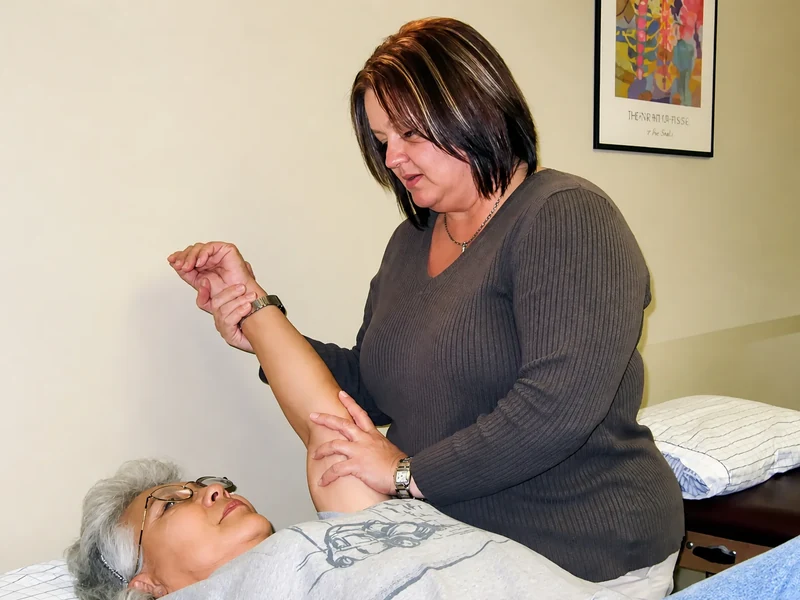
Whatever strength and motion you carry into the operating room is the ceiling you start from afterwards, because surgery takes away before it gives back. A quadriceps that has been shutting down for a year does not switch on again just because the knee got replaced. Prehab in the weeks before your date, strength work, range of motion and practice with the crutches or walker you will be using, measurably shortens the time you spend catching up on the other side.
Swelling is not just uncomfortable. Fluid in and around a joint physically inhibits the muscles that cross it, so a swollen knee will not let the quadriceps fire properly no matter how hard you concentrate. Swelling also limits how far the joint will bend before it runs into a wall. Managing it early with elevation, compression, movement and the right amount of load is not fussing over comfort. It is what allows the strengthening to work at all.
Healing tissue lays down collagen without much regard for direction, and if the area is not moved during that window it binds down to whatever sits next to it. Skin sticks to fascia, tendon stops gliding in its sheath, and the joint loses the last part of its range. That last part is usually the range you need to straighten fully, climb stairs or reach overhead. Hands on work and instrument assisted techniques restore glide while the tissue is still willing to change.
You limped because it hurt. Long after the tissue has healed the limp is still there, because your nervous system learned it and nobody ever told it to stop. The same thing happens at the shoulder, where the shoulder blade hitches up to do the work the repaired tendon should be doing. These patterns do not correct themselves. They have to be retrained on purpose, or they become the reason the other side starts hurting later.
The opposite failure is just as common, and it usually arrives the moment you start feeling good. A repaired tendon or a reconstructed ligament is at its most vulnerable long before it stops hurting, and your surgeon's protocol exists because of exactly that gap. We follow it. Pushing range or load ahead of schedule puts the repair itself at risk, and there is no version of that trade that ends up working in your favour.
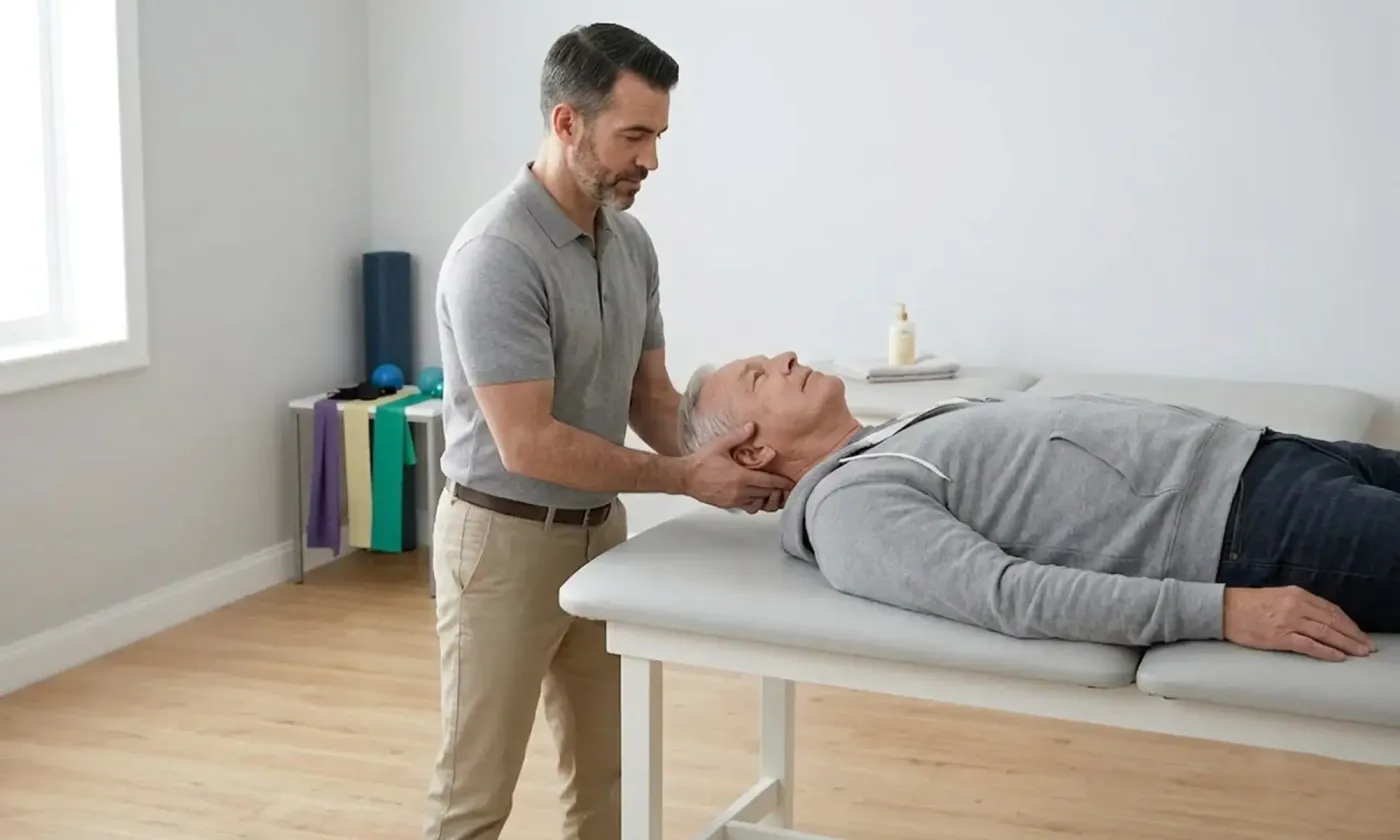
How physical therapy in Abilene helps.
We work from your surgeon's protocol, not around it. Every surgeon sets criteria for how much range, how much weight and how much load is allowed at each stage, and your plan gets built inside those limits. Before surgery we use whatever time you have to build strength and range, teach you the exercises you will be doing afterwards while they are still easy to learn, and get you comfortable on crutches or a walker in advance. After surgery we manage swelling, restore motion on schedule, and rebuild strength in the right order. Knee and hip replacements, ACL reconstructions, rotator cuff repairs and spinal surgery all follow that shape with very different detail.
Blood flow restriction training is a real advantage after an operation. It lets us build muscle using very light loads, which matters enormously when the joint will not tolerate heavy weight yet and the quadriceps is losing size by the week. Alongside it, hands on work and ASTYM keep scar tissue mobile and restore the glide that gets lost while you are protecting the area. You work one on one with your therapist, start to finish. We measure your range and strength against your other side and against the protocol, and we tell you honestly where you actually are.
What to expect from your recovery.
Before surgery: go in stronger
If you have time before your date, we use it. Strength and range of motion work on the joint being operated on and the ones either side of it, practice with the crutches or walker you will need, and a run through of the exercises you will be doing straight after. Going in stronger measurably improves how that first stretch goes.
Early recovery: swelling, motion and protocol
Once your surgeon clears you, we start inside their limits. Swelling management, gentle range of motion, waking the muscles back up, and safe movement around the house. Progress here gets measured in degrees of motion and in whether the muscle switches on, not in how hard the session felt.
Rebuild, then return to your life
As the protocol opens up, the loading gets serious. Strength, balance, then the specific demands of your job, your yard, your stairs or your sport. We test both sides against each other before we clear you, because going back on a leg that is still measurably weaker is how people end up in a surgeon's office again.
Friendly staff willing to go the extra mile to assist patients with healing and after they are still available if needed
Pain rarely travels alone.
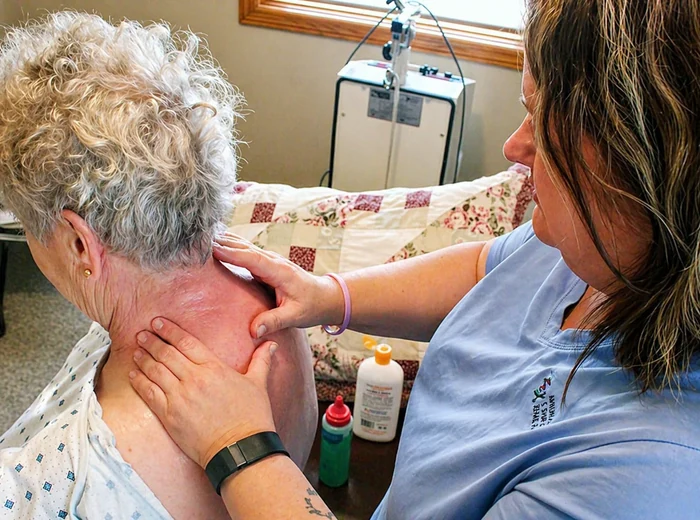
Back Pain & Sciatica
Spinal surgery is one route and it is not the only one. Most back pain and sciatica responds to directed loading and hands on work first.

Chronic Pain
Pain that lingers long after an operation has healed needs graded loading and measurement rather than more rest.
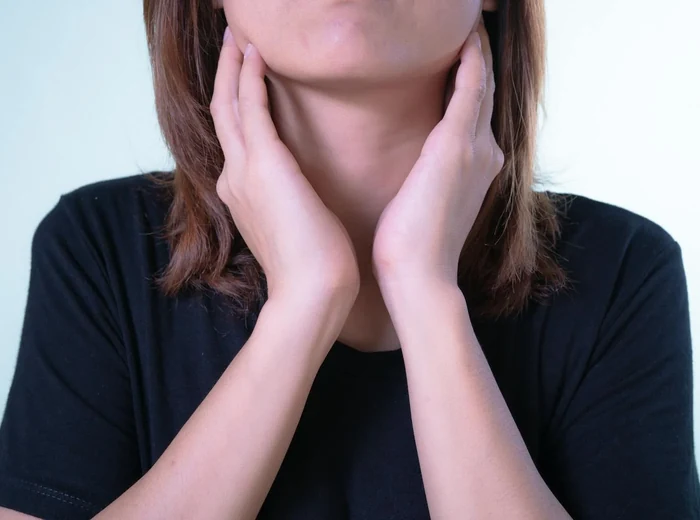
Neck Pain
Neck pain rarely needs an operation. We work out which structure is driving it and treat that structure directly.