Cupping Therapy in Abilene
You have stretched it, rubbed it and had someone press into it, and that stubborn patch of tissue still has not let go, so we try pulling instead of pushing.
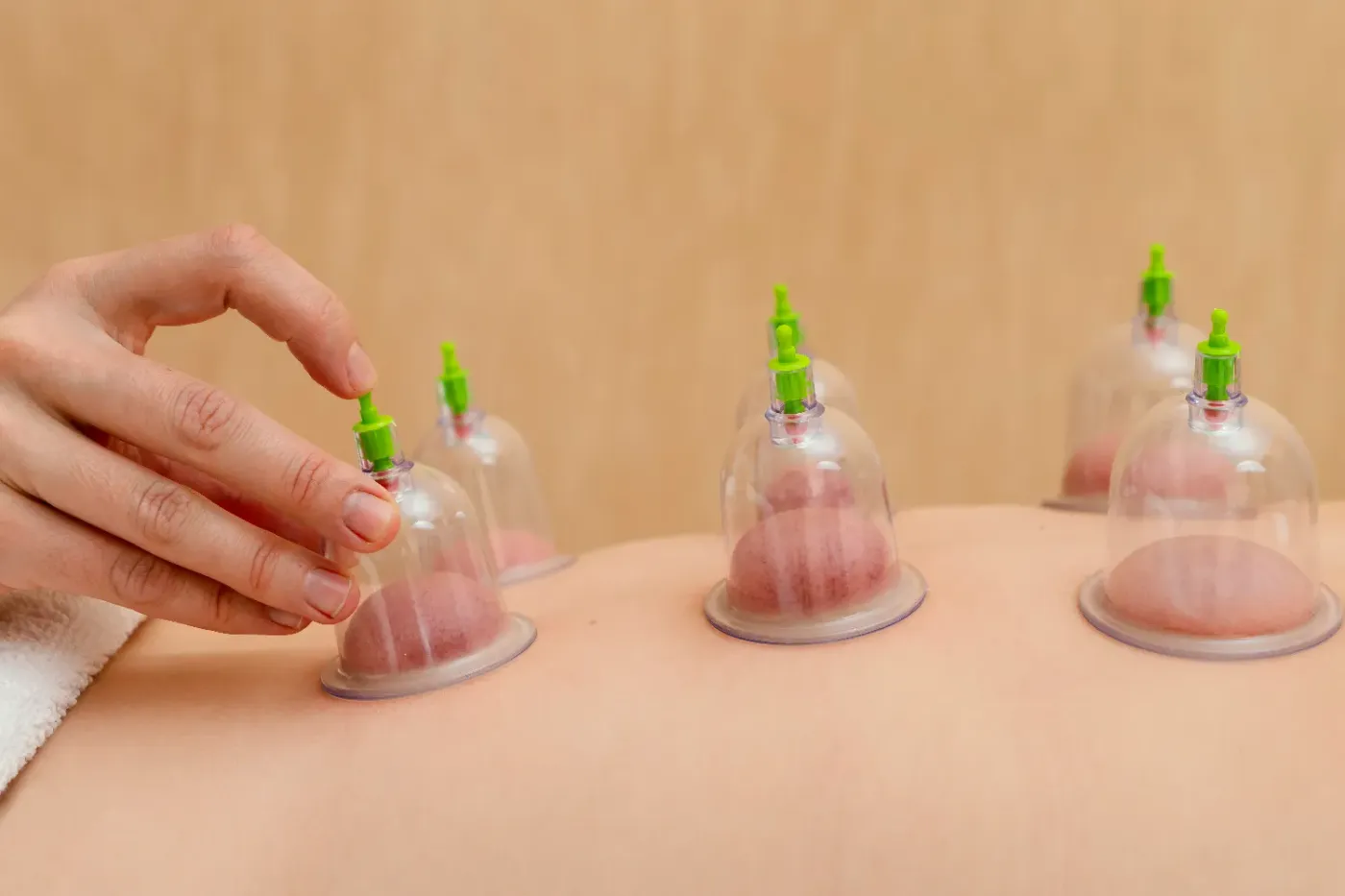
What is cupping therapy?
Cupping is a decompression technique. Instead of pressing into tissue the way a thumb or an elbow does, specially made cups create negative pressure that lifts skin, fascia and muscle away from the layers underneath. That single change in direction is the whole idea. Pulling tissue apart creates space where things have become compressed and stuck together, and it draws blood into an area that has been getting less of it than it needs. More local blood flow means more oxygen and nutrients arriving and more metabolic waste leaving. Tissue that felt stiff becomes more pliable, often within the same visit. Your therapist can leave the cups sitting on one stubborn spot, or glide them across a broader area with lotion, depending on whether the problem is a single knot or a whole region that has tightened up. The sensation surprises most people. It is deep without being sharp, more of a heavy, warm pull that eases as it goes, and plenty of patients find it genuinely relaxing once they settle into it. When the cups come off, the area usually feels lighter and looser than it did.
Cupping is never the whole plan here. We use it inside a session alongside manual therapy and exercise, because loosening tissue only counts if you then use the movement you just got back. Your therapist might cup an area before hands-on work to soften it, or afterward to hold the release longer, and then move you straight into the exercises that make the change stick. Think of it as opening a door. Walking through the door is the strengthening, the mobility work and the retraining of whatever movement pattern got you here in the first place, and that is the part that keeps the problem from coming back next season.
Who it's for.
Cupping suits tissue that is tight, stuck and not responding to pressure from the outside. If pressing into it has not worked, lifting it might be the thing that does. Your therapist decides whether it belongs in your plan after the evaluation.
Tight shoulders and a locked upper back
Your shoulders and upper back have seized up from stress, desk work, or a job that loads you the same way every single day. Cupping lifts and decompresses that tissue instead of grinding into it, and most people are surprised how much range they had quietly given up until the cups pull it loose.
Recovery from hard training or hard work
Your legs and back feel heavy and dead after a hard week, on the field or on the farm. Drawing fresh blood flow through the area helps clear that stuck feeling and shortens the gap between one hard effort and being ready for the next. Young athletes and people who work with their bodies both use it this way.
The one spot nothing has touched
There is a specific area that stays tight and sore no matter what you have tried, including stretching and massage. Because cupping pulls instead of pushes, it reaches restrictions that pressure-based work keeps sliding past, and it is often the piece that finally gets a stalled area responding again.
What to expect in a session.
Cupping is a short, focused part of your visit. You will feel a deep pulling sensation as the cups lift the tissue, and it is unlike anything else that happens in the clinic.
Setup and cup placement
Your therapist checks the skin, applies lotion, and places the cups, drawing the air out to create the suction. You feel an immediate lifting and pulling. Say how it feels, because the strength of the suction and the position of each cup get adjusted from your feedback. Most people settle into the sensation quickly.
Decompression and release
The cups stay in place while the decompression does its work, or your therapist glides them slowly across the area to cover more ground. The feeling is deep and steady rather than sharp, and you should never be in pain. If it crosses from a strong pull into something that hurts, say so and the suction comes down.
Cups off, straight into the work
The cups come off and you will see round marks where they sat. The area usually feels lighter and moves more freely right away, and your therapist uses that window immediately for stretching, hands-on work and the exercises for the day. That is what turns a loose feeling into a change that holds.
The circular marks cupping leaves behind are not bruises in the injury sense. Nothing was struck and nothing was crushed. They are pooled blood pulled close to the surface by the suction, they do not hurt to the touch the way a bruise does, and they fade over a handful of days. Tell your therapist beforehand if you take blood thinners or have delicate or sensitive skin, and mention it if you are pregnant. We do not cup over broken skin or an active skin condition. If you have a wedding, a photo or a match coming up, say so and we will plan the placement around it.
Friendly, reliable, easy to work with.
Where to go next.
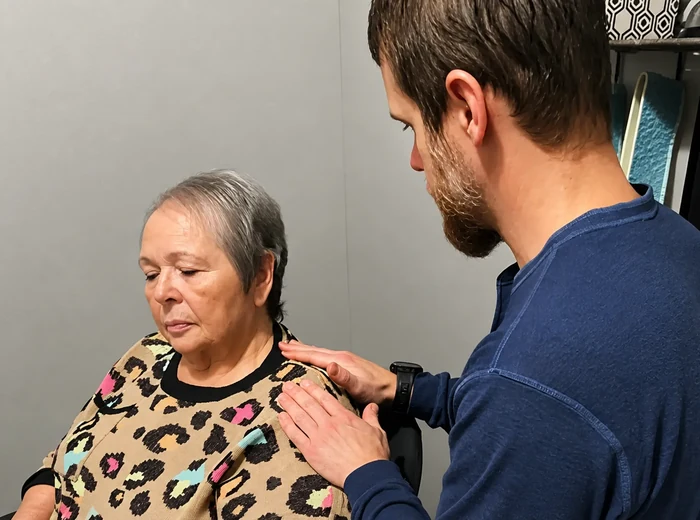
Manual Therapy
Hands-on joint and soft tissue work that pairs naturally with cupping to free up stubborn fascial restrictions.
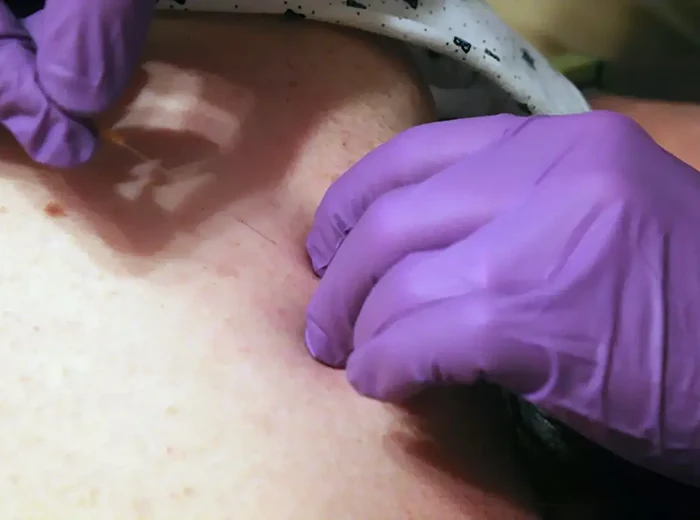
Dry Needling
Trigger point release that works well alongside cupping for comprehensive muscle treatment.

Shoulder Pain
Comprehensive care for shoulder tension and pain, including cupping as a core treatment option.